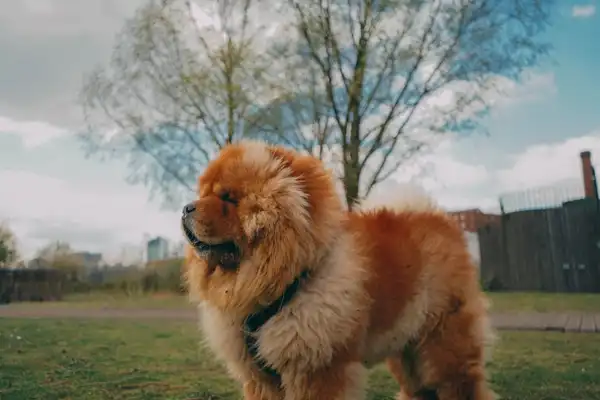
Canidae · DOG
Chinese Shar-Pei
🌟 You may have met one
In 1978 the Shar-Pei was listed by Guinness World Records as the rarest dog breed on Earth — fewer than a hundred were known globally at the time. Today it holds a stable spot in the AKC top 70.
Overview
The Chinese Shar-Pei (中国沙皮犬) is a medium-sized dog breed weighing 18–27 kg with an 8–12-year lifespan. An ancient breed from Dali town in Guangdong, China. Wrinkled skin, a blue-black tongue, and a hippo-like muzzle are its three signature traits. Calm and independent, deeply loyal to family and reserved with strangers. Skin folds and Familial Shar-Pei Fever demand careful breeder selection and lifelong weight management.
Feeding
A medium-breed formula, ideally low in grains and free of common allergen proteins. Adults should be measured strictly to prevent fat buildup under the skin folds.
Exercise
Around 40-60 minutes of moderate daily exercise. Shar-Pei tolerate heat poorly, so summer walks must be at dawn or dusk.
Grooming
Wipe and dry between the folds weekly to prevent dermatitis. Shedding is moderate; bathe monthly and dry every fold thoroughly.
Health
Watch for Familial Shar-Pei Fever, skin-fold pyoderma, entropion, hip dysplasia, and food/environmental allergies.
Gallery
A closer look at the Chinese Shar-Pei
From origins and personality to daily care and health — helping you judge whether this little companion is really the one for you.
Origin & history
Origin & history
The Shar-Pei is one of China's oldest breeds. Ancestors resembling wrinkled short-coated dogs already appear on Han-dynasty (202 BCE - 220 CE) pottery excavated in Guangdong, evidence of more than two thousand years of domestication in the Pearl River Delta. Its traditional home is Dali town in Nanhai District, Guangdong, where farmers used it for guarding, boar hunting, and dog fighting — meaning early Shar-Pei were far more aggressive than today's companions. [1][3]
After 1949, urban dog culls and cultural upheavals nearly wiped the breed out on the Chinese mainland. In 1971 Hong Kong breeder Matgo Law published "Chinese Fighting Dog on Verge of Extinction" in the American Dogs magazine, and in 1973 he shipped roughly a dozen Shar-Pei from Hong Kong to the United States. Those dogs became the foundation of every modern Western Shar-Pei population. In 1978 the breed was listed by Guinness World Records as the rarest dog on Earth. [3][4]
The AKC placed the Shar-Pei in the Miscellaneous Class in 1988 and gave full recognition in 1991 (effective 1992), assigning it to the Non-Sporting Group; FCI No.309 places it in Group 2. Modern Western "Meat-Mouth" Shar-Pei are heavier and more heavily wrinkled, visibly diverged in bone structure from the traditional "Bone-Mouth" type still preserved in southern China. [1][2][5]
Looks & breed standard
Looks & breed standard
Both the AKC and FCI standards call for adult Shar-Pei standing 46-51 cm at the shoulder and weighing 18-27 kg, with a nearly square body and a large head that has earned the nickname "hippo head." Three unmistakable identifiers set the breed apart: exaggerated wrinkles, a blue-black tongue (shared with the Chow Chow), and small triangular ears held tight to the skull. [1][2]
Three coat types are recognized: Horse Coat (harsh, close-lying, under 1 cm — the most traditional), Brush Coat (1-2.5 cm, the most common), and Bear Coat (over 2.5 cm, disqualified in AKC show rings but popular as a companion). Colors are solid: fawn, cream, black, chocolate, blue, red, and more. [1][2]
Puppies wear dramatic all-body wrinkles that partially smooth out with age; adults typically retain wrinkles only on the head, neck, shoulders, and tail base. Western Meat-Mouth types have thick fleshy muzzles and facial folds, while the southern Chinese Bone-Mouth type keeps a leaner face — a distinction visible to purists on both sides of the Pacific. [3][5]
Personality in depth
Personality in depth
The Shar-Pei is often called "the cat of the dog world" — independent, clean, and not naturally clingy. The AKC description is calm, loyal, alert, and independent: fiercely devoted to family yet reserved with strangers, a classic guardian companion. [1][6]
Because the breed's history includes fighting and guarding, adult Shar-Pei carry strong territorial instincts and same-sex dog aggression tendencies. Without thorough puppy socialization, they can become tense around unfamiliar dogs. Early positive socialization plus solid obedience foundations are non-negotiable, and they largely determine whether a Shar-Pei can share a home with other pets. [1][6]
Intelligence is above average but coupled with strong-willed independence. Shar-Pei visibly weigh whether a request is worth doing, so reward-based training and consistent boundaries work; harsh methods trigger avoidance and pushback. This is not a beginner-friendly breed — it fits owners with medium/large dog experience who lead with firm but gentle hands. [1][6]
Daily care
Daily care
Skin-fold care is the centerpiece of Shar-Pei husbandry. The warm, moist folds are perfect habitat for Malassezia yeast and bacteria, and skin-fold pyoderma is common when they are neglected. Wipe the head, neck, and tail-base folds 2-3 times a week with pet-safe wipes or diluted chlorhexidine, and always dry them thoroughly. After bathing, dry the inside of every fold with a towel and blow dryer — this single habit prevents most infections. [6][7]
The Shar-Pei is a moderate-exercise breed: two 20-30 minute walks a day plus some interactive play are enough. Crucially, they do not tolerate heat and humidity — a short muzzle plus a thick skin structure make heatstroke a real risk in summer. In hot southern regions of China walks must move to early morning or evening, with air conditioning at home. [6]
Diet-wise, Shar-Pei are prone to allergies against beef, chicken, soy, and corn, showing up as itchiness, ear infections, and GI upset. Chronic skin problems often improve on a novel-protein diet (duck, venison, fish). Regular nail trims, ear cleaning, and annual dental care further raise quality of life. [7]
Health & lifespan
Health & lifespan
Average lifespan is 8-12 years. The breed's flagship condition is Familial Shar-Pei Fever (FSF), an autoinflammatory disorder analogous to Familial Mediterranean Fever in humans. Affected dogs develop episodic fevers of 39.5-42°C with swollen hocks (Swollen Hock Syndrome) and serositis; recurrent attacks can lead to reactive amyloidosis, ultimately causing lethal renal or hepatic failure. In 2011 Olsson et al. (PLoS Genetics) mapped a copy-number variation upstream of the HAS2 gene, revealing that the exaggerated wrinkle phenotype and FSF share a common genetic basis. [8][9]
Skin issues are the number-one presenting complaint at the vet: skin-fold pyoderma, Malassezia dermatitis, primary idiopathic seborrhea, and atopic dermatitis. Entropion is nearly a breed-defining trait — most puppies need surgical correction between 3 and 6 months to prevent corneal ulceration and blindness. [6][7]
Other conditions: hip dysplasia (~12% abnormal on OFA data), elbow dysplasia, cutaneous mucinosis (excessive hyaluronic acid deposition — the very cause of the wrinkles), cobalamin (B12) malabsorption, and congenital hypothyroidism. Responsible breeders provide OFA hip and elbow scores, an eye CAER exam, and an FSF genetic risk assessment. [7][9]
Common myths & adoption tips
Common myths & adoption tips
Myth 1: The more wrinkles, the better. — In fact the extreme Meat-Mouth wrinkle look is a product of 1970s American breeding, not a Chinese tradition. Excessive wrinkles directly raise FSF, dermatitis, and entropion risk. The AKC standard explicitly asks for wrinkles to be "moderate rather than excessive." A truly healthy Shar-Pei carries most wrinkles only on the head, neck, shoulders, and tail base after maturity. [1][3]
Myth 2: Shar-Pei are simply doomed to short lives. — Their lifespan is somewhat shorter than similarly sized breeds, but with responsible breeding (choosing low-FSF-risk lines), disciplined weight control, and daily fold and eye care, healthy Shar-Pei often live past twelve. Extreme Meat-Mouth lines skew shorter and should be avoided. [8][9]
Myth 3: Shar-Pei are gentle, so kids can hug them freely. — Shar-Pei are protective and independent, reserved with strangers and low tolerance for rough handling. With young children in the home, adult supervision is required at all times, especially against unfamiliar kids grabbing the facial folds. [1][6]
Adoption tips: Ask reputable breeders for parental FSF genotyping, OFA hip and elbow scores, and eye exams. If adopting, review the individual's allergy and skin history first. Do not impulse-buy over-wrinkled or extreme Bear Coat puppies from novelty sellers.
References
This is an educational overview — for specific health and care advice, please consult the authoritative sources below and your veterinarian.
- [1] Chinese Shar-Pei - American Kennel Club (AKC)Official
- [2] FCI Standard No.309 - Chinese Shar-PeiOfficial
- [3] Chinese Shar-Pei - WikipediaEncyclopedia
- [4] Chinese Shar-Pei Club of America (CSPCA) - Breed HistoryOfficial
- [5] Matgo Law - Chinese Fighting Dog on Verge of Extinction (Dogs Magazine, 1971 archival)History
- [6] VCA Animal Hospitals - Chinese Shar-Pei Care GuideVeterinary
- [7] UFAW - Genetic Welfare Problems of Shar-PeiReview
- [8] Olsson M. et al. 2011 - A Novel Unstable Duplication Upstream of HAS2 Predisposes to a Breed-Defining Skin Phenotype and ...Study
- [9] Familial Shar-Pei Fever - The Shar-Pei FoundationStudy