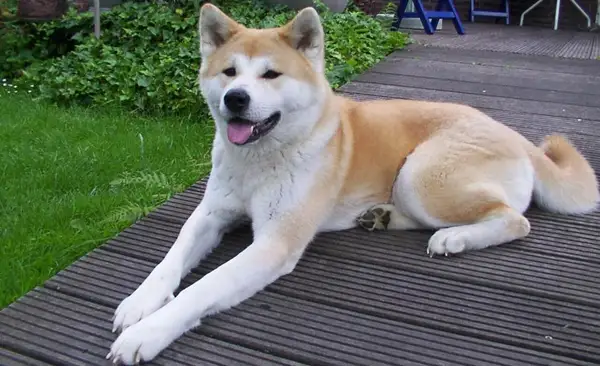
Canidae · DOG
Shiba Inu

🌟 You may have met one
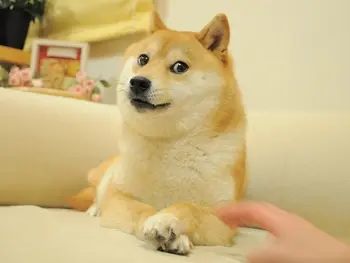
The internet's unofficial mascot. A single "Doge" meme made the world fall in love with Shibas, then Cheems and Kabosu kept the momentum going - Shibas are basically the face of meme culture.
Overview
The Shiba Inu (柴犬) is a medium-sized dog breed weighing 8–10 kg with a 12–15-year lifespan. An independent, internet-famous breed - clean, clever, and gloriously stubborn. Shibas like to call the shots, so patience and consistency go a long way. Their seasonal coat blows are practically small dust storms.
Feeding
Medium-breed formulas. Watch for food sensitivities and skip anything overly greasy or salty.
Exercise
About an hour a day. Shibas prefer walks and sniffing over high-intensity sport.
Grooming
Double coat: brush twice a week normally, and daily during coat blows.
Health
Prone to allergies and skin issues. Keep an eye on dental health and body weight.
Gallery
A closer look at the Shiba Inu
From origins and personality to daily care and health — helping you judge whether this little companion is really the one for you.
Origin & history
Origin & history
The Shiba Inu is one of Japan's oldest native breeds. Archaeologists have found remains of small-to-medium dogs with skeletal structures very close to today's Shiba at Jomon-period sites (roughly 14000 BC - 300 BC), and Shibas are often classified as direct descendants of the so-called "Jomon dogs." [1][2]
Historically the Shiba wasn't a single lineage but a fusion of three regional mountain-hunting strains: the Shinshu Shiba from around Nagano, the Mino Shiba from the mountains of Gifu, and the San'in Shiba from Tottori and Shimane. They were compact dogs used mainly to flush pheasants and small game in dense underbrush - "shiba" in old Japanese meaning "brushwood," a nod to their working environment. [1][3]
After the Meiji Restoration, Western breeds flooded into Japan and interbred with native dogs, pushing the pure Shiba to the brink. Around 1928 a group of enthusiasts launched a preservation movement. Nippo (the Japanese Dog Preservation Society) was founded in 1932, the first Shiba standard was drafted in 1934, and in 1936 the Japanese Ministry of Education named the Shiba a Natural Monument, on par with the Akita and Kishu. [1][3]
World War II and a subsequent distemper outbreak thinned the population again. Post-war breeders rebuilt the breed from the surviving three lineages, using the Shinshu strain as the core and blending in Mino and San'in blood - producing the size and coat we know today. In 1954 an American military family brought the first Shiba to the US; the first US-born litter arrived in 1979; the AKC officially recognized the breed in 1992 and placed it in the Non-Sporting Group in 1993. [1][2]
Looks & breed standard
Looks & breed standard
Both Nippo and the AKC define the Shiba as a compact, sturdy, well-proportioned small Japanese dog. Ideal shoulder height is about 39.5 cm for males and 36.5 cm for females (with 1.5 cm tolerance either way); typical weights are 9-11 kg for males and 7-9 kg for females. So-called "Mame Shiba" (bean Shibas) that fall well outside these ranges are not recognized by Nippo or any of Japan's major kennel clubs - the official position is that "the Mame Shiba is not a legitimate variety of Shiba Inu." [3][4]
There are four accepted colors: Red, Black & Tan, Sesame (including Red Sesame and Black Sesame), and Cream/White. Every legal color must be paired with urajiro - the pale markings on the sides of the muzzle, jaw, chest, belly, insides of the legs, and underside of the tail. A dog lacking urajiro is heavily faulted. [4][5]
Attitudes toward white Shibas differ across kennel clubs: the AKC lists pure white as a major fault and disqualifies it from the show ring, while the UK Kennel Club and some continental European clubs accept it. The result is that white Shibas can be registered but rarely place well in American conformation shows. [4][5]
Structurally the Shiba has the classic "triangular eyes, curled tail, and pricked ears." The tail root is thick and sits curled or sickle-shaped over the back, and the coat is a double structure: the outer layer is straight and stiff while the undercoat is soft and dense - the reason coat blows are so dramatic. [4]
Personality in depth
Personality in depth
Nippo describes the ideal Shiba temperament with three Japanese words: Kan'i (calm, self-assured strength), Ryosei (good-natured and teachable with family), and Soboku (unaffected, naturally simple). These three traits were codified in the 1934 Japanese dog standard and are the official framing of the Shiba's "independent yet affectionate" character. [1][3]
Unlike Goldens or Labs, Shibas aren't friendly with everyone. They lean cat-like: deeply attached to their family but polite and reserved with strangers, more observers than performers, with modest obedience scores. Multiple breed personality surveys (C-BARQ and Nippo member surveys) rate the Shiba higher than typical companion dogs on stranger-directed fear and same-sex dog aggression, so early socialization is essential. [3][6]
The Shiba is also famous for the "Shiba Scream" - a high-pitched shriek unleashed when picked up, having nails clipped, or otherwise disagreeing with the situation. It's not pain, it's a species-typical protest. Shibas are also fastidiously clean: they detour around puddles, groom their paws and face, and can even self-train to a designated toilet spot - all self-management instincts inherited from centuries as independent mountain hunters. [3][6]
Daily care
Daily care
Exercise needs sit at moderate-to-high: an adult Shiba wants about 60 minutes of walking plus sniffing exploration each day, along with some short bouts of ball or tug play. They are not a good match for a bare, unfenced yard - one gap and a Shiba will dig or leap out. The escape rate is on the higher end for medium breeds, so leash security and fence height deserve extra attention. [3][6]
Feed strictly by weight. Shibas react poorly to fatty diets and are prone to itchy skin, seborrheic dermatitis, and ear infections. Moderate-protein, low-allergen formulas (fish oil plus a single animal protein) work well. Obesity worsens the patellar and joint issues covered later, so aim to hold the adult body condition score around 4/9. [6]
Grooming demands change with the season: a slicker plus a comb once or twice a week is enough day-to-day, but during the two annual coat blows (spring and autumn) daily brushing plus a warm bath to loosen the undercoat is required. Shibas have very little body odor - a bath every 4-6 weeks is plenty; over-bathing tends to trigger skin issues. [6]
Avoid harsh, punishment-based training. Shibas remember unfair treatment vividly; treats plus short positive-reinforcement sessions plus clear rules work far better. Practice recall on-leash for the long term - off-leash reliability is generally poor before adulthood. [3][6]
Health & lifespan
Health & lifespan
Shibas are a long-lived breed overall. Registry data across countries put average lifespan at 13-15 years; Japan's Anicom Insurance 2020 data reports a median of 14.6 years, and 16-18 is not rare in individuals. [7]
Orthopedically, patellar luxation is one of the Shiba's most common inherited problems. In a Japanese multi-breed survey, roughly 35% of Shibas showed patellar abnormality, mostly medial and grade I-II; jumping, stairs, and excess weight accelerate symptoms. [7][8]
Ophthalmologically, the Shiba is one of the higher-risk breeds for primary glaucoma. A Nihon University study of 127 Shibas found signs of primary glaucoma-related presentation in about 33% (42/127). Annual intraocular pressure checks and gonioscopy are recommended from age six. [8]
Other conditions worth watching for: allergic/atopic dermatitis, GM1 gangliosidosis (a canine polyneuronopathy with a DNA test available), hypothyroidism, and epilepsy in a small number of individuals. Before you buy or adopt, ask for the parents' patellar grades, ophthalmic clearance (CERF/JAHD), and GM1 genetic test results. [7][8]
Common myths & adoption tips
Common myths & adoption tips
Myth 1: "Mame Shibas are miniature Shibas." - Nippo and the Japan Kennel Club both state clearly that the Mame Shiba is not an officially recognized breed or variety. Most are produced by breeding for dwarfism genes or from undersized individuals, and their health risks are measurably worse than standard Shibas. If you want a smaller Shiba, look for a naturally smaller Shinshu-line female instead of chasing a "Mame." [3][4]
Myth 2: "Shibas look mellow, so they must be easy." - A Shiba's mellowness is reserve toward family, not general obedience. They may refuse to cooperate with strangers, same-sex dogs, nail trims, or baths. This is the right breed for people who welcome a "cat-like dog," have time for socialization and training, and can live with plenty of shedding. [3][6]
Myth 3: "Shibas don't need walks." - Shibas descend from mountain hunters. Underestimating their exercise needs leads to wall-scratching, furniture destruction, and compulsive licking. Even in an apartment, plan for one full sniff-walk plus one interactive play session daily. [6]
Adoption tips: prioritize breeders formally registered with Nippo or your national kennel club and ask for parental health certificates, Nippo pedigrees, or AKC papers. Reputable rescues also handle Shiba mixes and retired breeding dogs - a good option for experienced owners with the patience to work through temperament quirks. [1][3]
References
This is an educational overview — for specific health and care advice, please consult the authoritative sources below and your veterinarian.
- [1] Shiba Inu - American Kennel Club (AKC)Official
- [2] Shiba Inu - WikipediaReview
- [3] 日本犬保存会(Nippo)柴犬标准与历史Official
- [4] AKC Shiba Inu Breed StandardOfficial
- [5] Shiba Inu Colors - Best Dog AustraliaReview
- [6] Shiba Inu Breed Guide - VetniqueReview
- [7] Shiba Health Report - The Kennel Club BHCP (UK)Study
- [8] Primary glaucoma in Shiba Inu dogs in Japan - Veterinary OphthalmologyStudy